Criminal Cousin Demands to Crash Family Party Despite Legal Trouble, Loses It When Host Refuses to Disable Security Cameras

This Reddit story really highlights the tension between family loyalty, personal boundaries, and the complexity of legal situations. OP was in a tough spot: trying to host a family gathering while dealing with the pressure of accommodating a relative who, based on legal requirements, wasn’t supposed to cross state lines.
Let’s break this down:
1. The Request to Hide Legal Violations
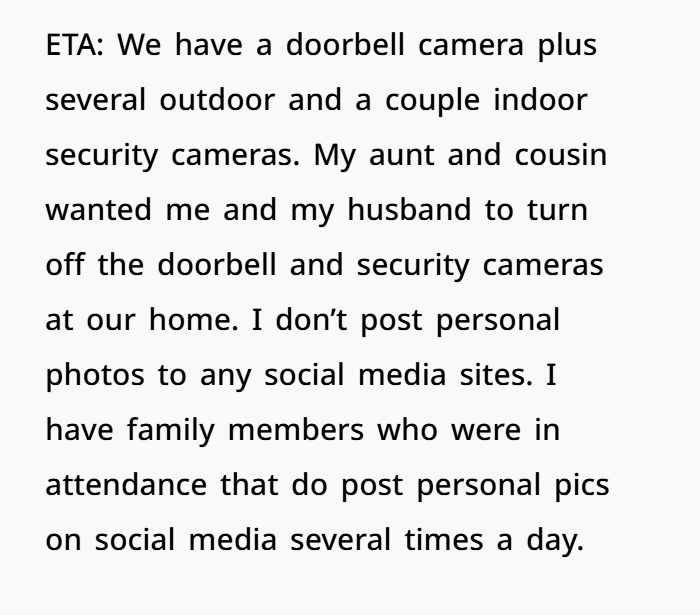
OP’s aunt’s request to turn off security cameras and ask everyone to avoid taking photos is a huge ask. It’s not just about being a good host; it’s about potentially enabling someone to violate their parole. The fact that she wanted OP to hide this potentially illegal behavior (crossing state lines while on parole) puts OP in a very tricky position. Not only could it be seen as morally wrong, but it could also be legally dangerous if anything were to happen and be recorded.
OP was right to feel uncomfortable with the request. Turning off cameras and making promises about photos would only complicate things later, and potentially put everyone at risk—especially if someone were to document the parole violation.
2. Standing Their Ground
OP stood firm and said no—the cameras stayed on, and no promises about photos would be made. This wasn’t about being harsh; it was about protecting themselves and making sure legal boundaries were respected.
In situations like this, it’s important to consider the long-term consequences. If OP had agreed to the request, they could have potentially jeopardized their own standing if the parole violation was discovered, especially if there were any unforeseen issues or legal complications down the road. Standing firm was a pragmatic decision that prioritized safety over appeasing family.
3. The Aunt’s Reaction: Manipulation and Deception
What’s really telling here is how the aunt and cousin reacted to OP’s decision. Instead of respecting OP’s boundaries, they lied to other family members, claiming OP had agreed to the photo ban, and manipulated others by asking them to confirm that no footage would exist.
This was a clear attempt to shift blame onto OP while still trying to circumvent the law. It shows that the aunt was more focused on covering up the parole violation than considering OP’s comfort or legal responsibility. That’s a huge red flag. And their manipulative tactics, calling guests during the party to ensure no photos would be taken, only proved that they were willing to sacrifice OP’s boundaries for their own benefit.
4. The Aftermath: Angry Texts and Passive-Aggressive Posts
The aftermath of this decision—angry texts and passive-aggressive social media posts—is further evidence of the aunt and cousin’s inability to respect boundaries or handle conflict maturely. Instead of understanding OP’s position or having an honest discussion, they chose to shame OP publicly. This shows just how deep the manipulation runs in the family, and highlights the importance of protecting yourself from people like this.
5. Was It Too Harsh?
Absolutely not. OP was in the right to protect themselves from the legal and ethical issues that could have arisen from agreeing to the request. Sometimes, standing your ground, especially in the face of family manipulation, is the healthiest choice. Protecting yourself from potential legal consequences and standing firm on your boundaries is far more important than pleasing people who are willing to push you into uncomfortable and risky situations.
Conclusion: OP’s Decision Was the Right One
OP’s response was necessary and reasonable. By standing their ground, they protected themselves from a legal nightmare while also drawing a firm line against manipulation. The angry texts and social media posts may have been unpleasant, but they were simply the result of people not getting their way—not a reflection of OP’s behavior.
OP didn’t do anything wrong here. They set boundaries to protect themselves, and in the long run, that’s something they should feel good about.
Extended families are made of variety of people and sometimes not all their their values align

In this story two cousins clashed when the one with criminal past started requesting weird stuff for family’s party
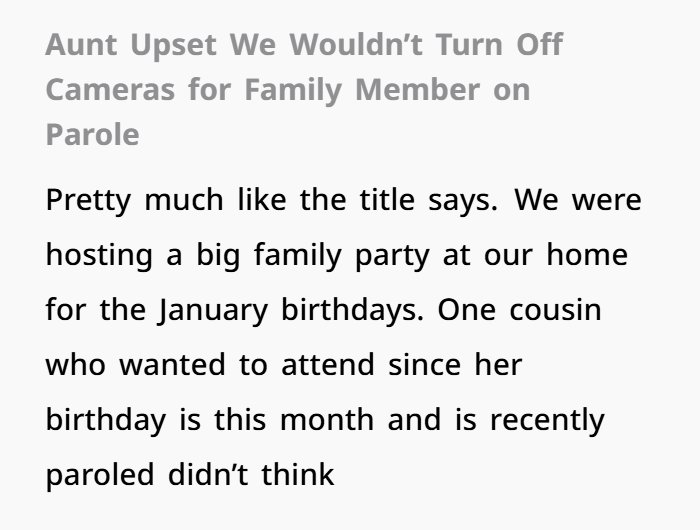
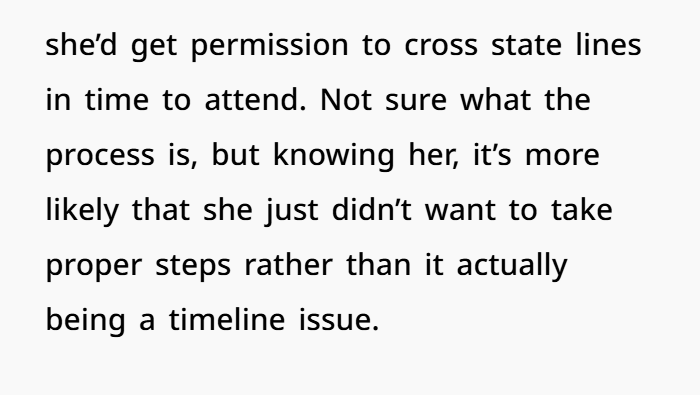
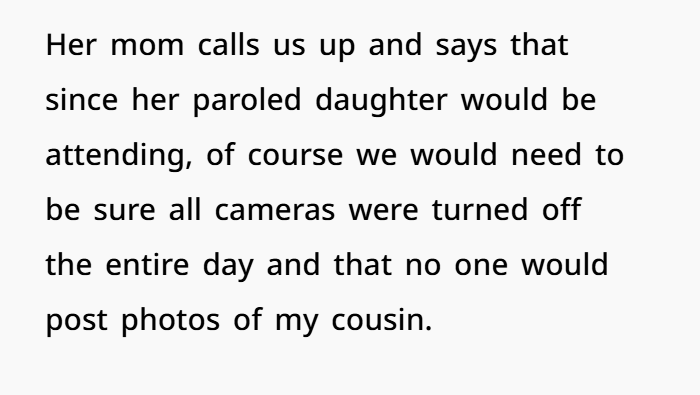
This isn’t just a tale of family dysfunction—it’s a perfect case study in the intersection of technology, legality, and entitlement. Let’s break it down piece by piece and examine the key dynamics here.

1. Parole Isn’t a Suggestion—It’s a Legal Obligation
First things first: parole comes with strict conditions. These vary depending on the crime, location, and judge’s discretion, but crossing state lines without permission is almost universally prohibited unless cleared by a parole officer. The cousin in question either:
- Didn’t want to go through the proper process (likely), or
- Knew she wouldn’t be approved and decided to come anyway (also likely).
Either way, it’s not OP’s responsibility to aid, abet, or conceal her cousin’s decision. Turning off security cameras or instructing others not to take photos? That crosses into obstruction territory.
Even if unlikely to be prosecuted, a parole violation documented on social media or on someone’s home security feed could literally land the cousin back in jail. And if the authorities traced her presence to the party and learned the hosts knowingly disabled cameras? That’s a legal liability nobody needs.
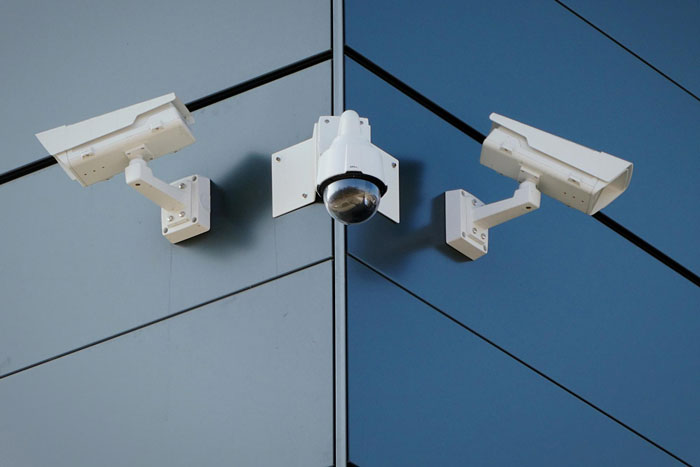
2. Security Cameras Are More Than Just Tech—They’re Protection
OP wasn’t being paranoid. Security cameras serve multiple important roles:
- Legal evidence in case of theft, damage, or injury.
- Protection for homeowners from false claims.
- Peace of mind, especially during large gatherings.
Turning off indoor and outdoor surveillance because one guest might be violating the law isn’t just inconvenient—it’s reckless. If something had gone wrong (a fight, property damage, or worse), OP would have been left with no visual record.
Plus, it’s her home. No one has the right to demand she disable her own security systems, especially when doing so benefits someone who is likely violating the law.

3. The Entitlement Problem
This really isn’t just “family drama.” It’s a situation where legal risk and personal boundaries collide—and the way your aunt handled it adds a whole extra layer of entitlement.
1) The cameras weren’t the problem — the request was
Security cameras are normal. Lots of people have them for package theft, safety, insurance, and peace of mind.
The problem is that your aunt didn’t ask for a reasonable accommodation. She asked you to help create a no-evidence zone:
- turn off indoor and outdoor cameras
- control what guests do with phones
- silence everyone on social media
That’s not about privacy. That’s about covering tracks.
2) “Just help us out” becomes “share the risk”
When someone is on parole and may not be allowed to cross state lines, that’s not a “tiny technicality.” That’s their legal situation to manage through proper channels.
Your aunt tried to make it your job to absorb the fallout if something goes wrong. And if anything did go wrong (a neighbor complaint, a dispute, an incident, even a random check), you’d be the one who looks complicit.
3) The manipulation is the tell
The behavior after you said no is what really clarifies the dynamic:
- lying to family that you agreed
- calling guests to verify there’d be “no footage”
- trying to pressure the room without you “officially” promising anything
That’s not a misunderstanding. That’s a coordinated attempt to override your boundaries.
4) Technology turned “family favor” into “documented liability”
In older days, this would’ve been, “Please don’t mention it.”
Now, cameras, phones, Ring alerts, and social posting mean there’s a real difference between:
- “I didn’t know”
and - “I helped hide it.”
They weren’t just asking for silence—they were asking you to manage everyone’s devices and behavior to protect one person from consequences. That’s not realistic, and it’s not fair.
5) The entitlement piece
The underlying attitude is: “We want this, so you should rearrange your home and your rules.”
But it’s your home, your property, your security system, your guest list, and your liability.
Bottom line
Saying no wasn’t harsh. It was responsible.
They had options that don’t involve dragging you into it—like not coming, or handling permissions properly. They chose the option that required your compliance, and got angry when you wouldn’t play along. That reaction tells you you made the right call.
6. Fallout and Family Drama
It sounds like you’re reflecting on a situation of boundary-setting and handling family conflict. It’s tough when emotions run high, and people use guilt-tripping or manipulation to deflect from their own missteps.
You’re absolutely right—ignoring the messages was the best way to avoid further drama. Responding to accusations could have given more fuel to the fire, while silence showed the boundaries clearly and let the truth stand. Sometimes, family loyalty is tested, but maintaining one’s own well-being and legal safety is crucial. The fact that other family members might have felt relieved shows how much respect OP earned by standing firm.
If you’re exploring ways to handle situations like these, it’s all about balancing empathy with assertiveness. Boundaries are often uncomfortable, but they’re necessary for maintaining healthy relationships in the long run.
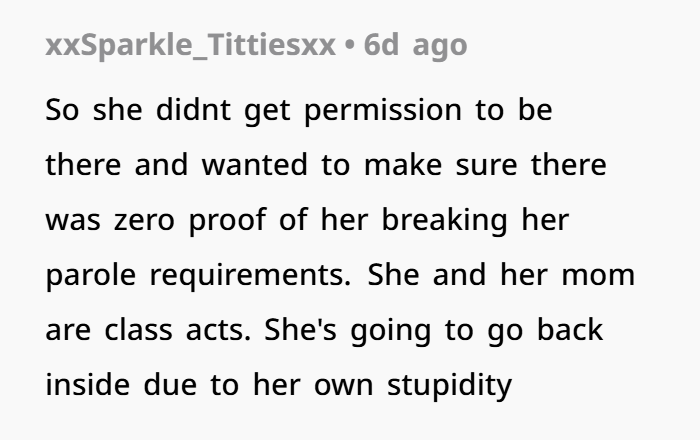
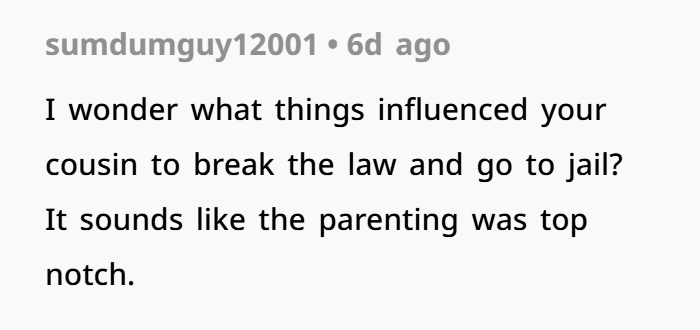
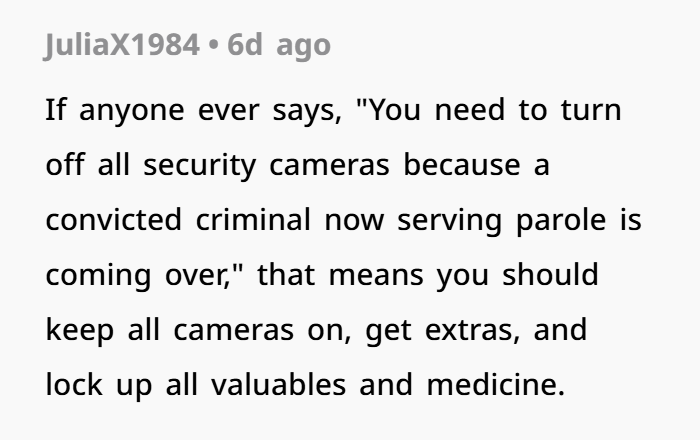
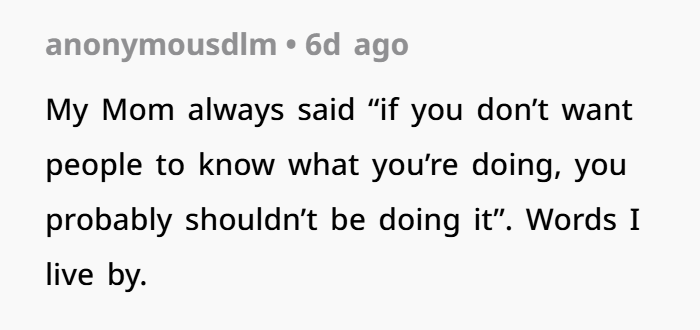
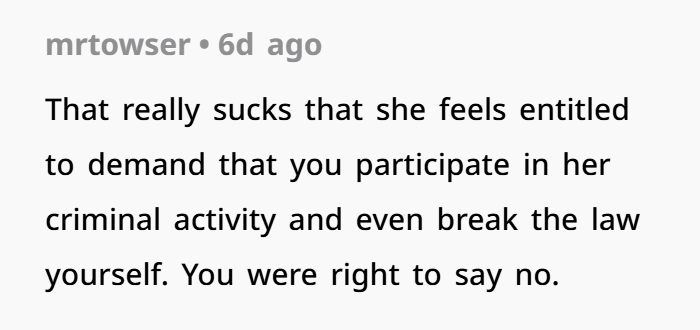
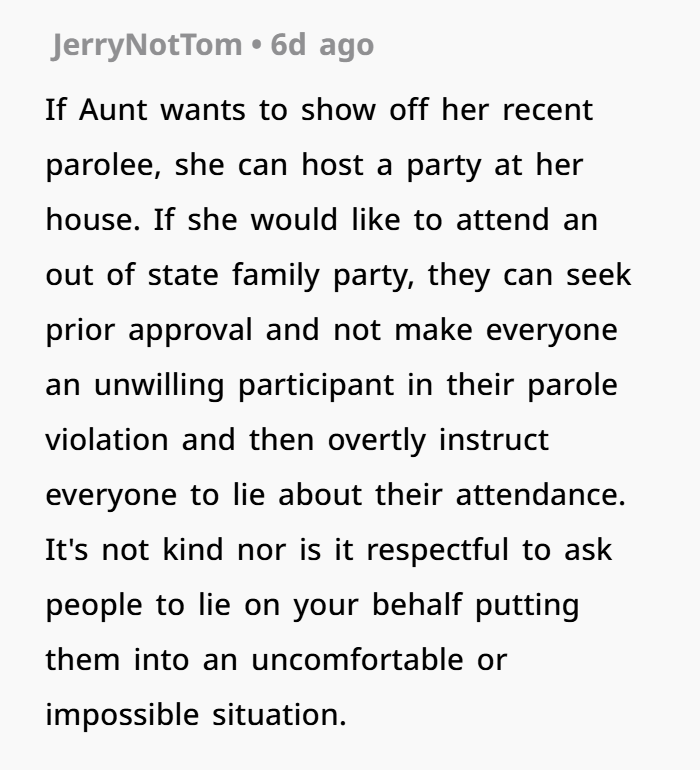
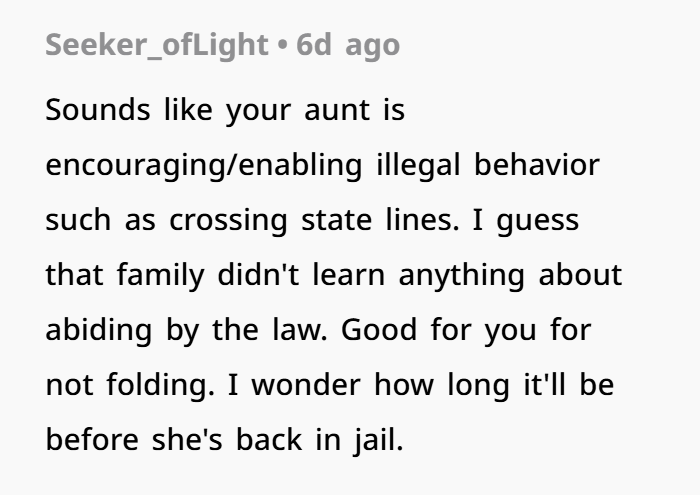
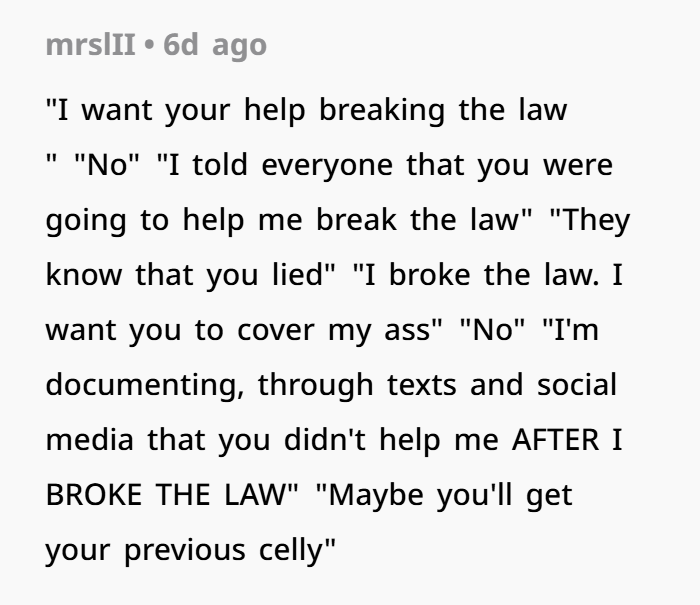
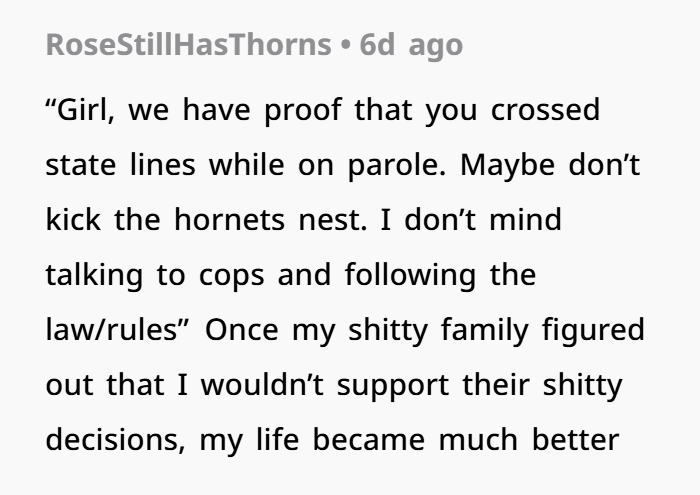
Netizens praised the woman for standing her ground and not giving in to criminal cousin’s weird requests
Absolutely not the AITA (Am I The Asshole) in this situation!
You acted responsibly and made the right call. It’s not your job to cover for anyone breaking the law, even if they are family. You’re not obligated to bend your boundaries to accommodate someone else’s legal troubles, especially when it involves compromising your safety and security.
By standing firm, you set a clear example of responsibility, and honestly, family should respect that. If your cousin is on parole, they should be more mindful of the rules, not expecting you to break your own. Ultimately, your home, your rules—you didn’t escalate the situation, and you protected your own well-being, which is exactly what anyone in your position should do.