I Warned Her About Her Guy Best Friend—Then He Proved Me Right
In this situation, OP doesn’t seem to have gone too far. While it’s understandable that Cindy might feel hurt by the breakup, OP’s decision to end the relationship is rooted in a clear pattern of red flags and betrayal. From the start, Cindy was upfront about having a male best friend, but as soon as OP met Greg, his behavior raised immediate concerns. Greg’s competitive and disrespectful attitude, along with the way he blurred the lines of friendship by checking Cindy out, was enough to cause tension. OP expressed his discomfort, but Cindy dismissed it, calling him dramatic instead of taking his feelings seriously.
When Greg crossed the line by making a move on Cindy while she was intoxicated, it’s clear that OP’s trust in both Cindy and Greg was broken. Cindy’s decision to minimize Greg’s actions and not fully distance herself from him—despite agreeing to do so—shows a lack of accountability and respect for OP’s boundaries.
OP’s decision to end the relationship wasn’t about punishing Cindy, but about protecting himself from further betrayal. Trust is crucial in any relationship, and Cindy’s failure to recognize and act on OP’s concerns ultimately led to the breakup. While Cindy may feel hurt or defensive, it seems OP’s response was not an overreaction but a necessary step in maintaining his own emotional well-being.
The ‘he’s just a friend’ debate is a classic relationship minefield that few people have successfully navigated

A man’s first meeting with his girlfriend’s male best friend was a parade of red flags
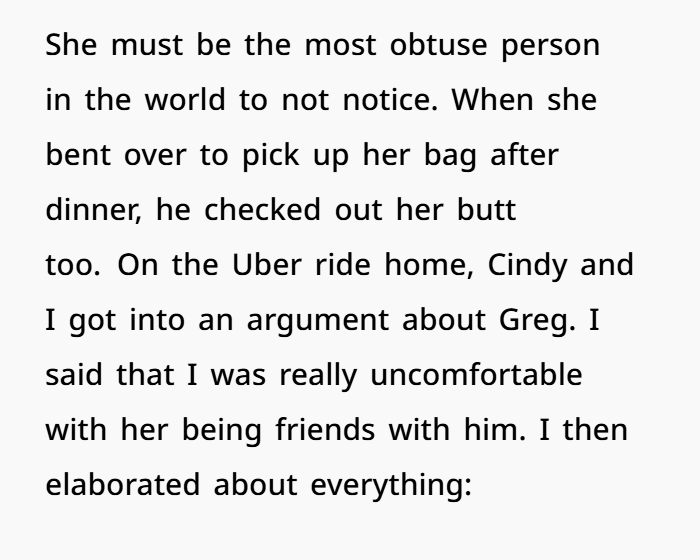
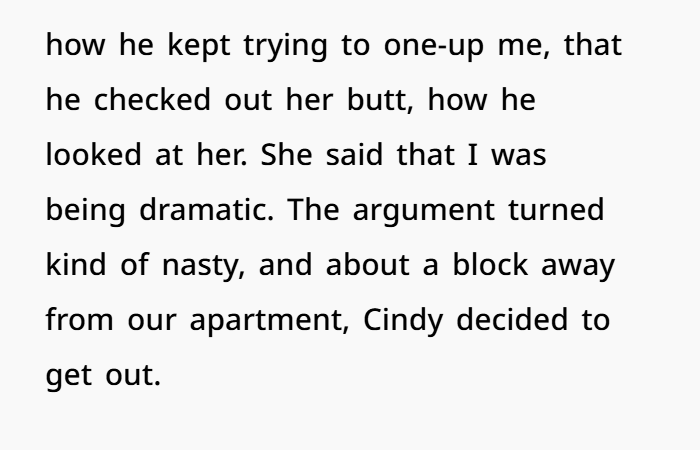

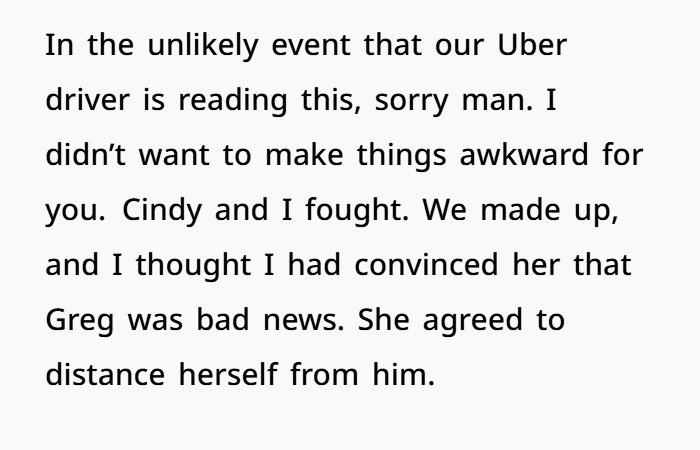
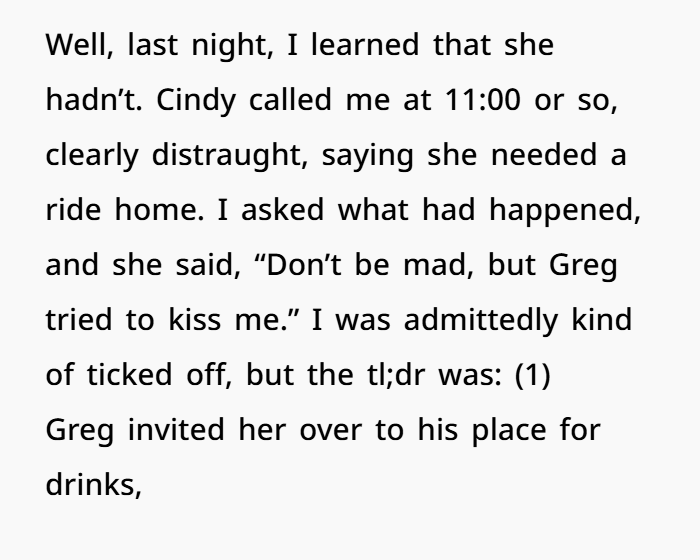
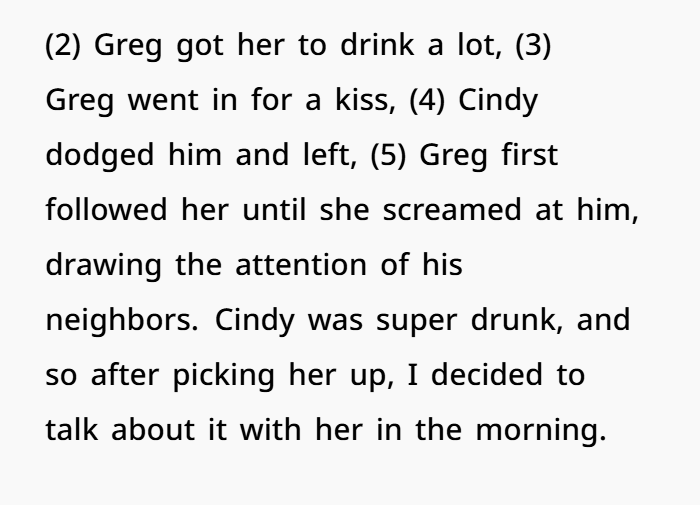
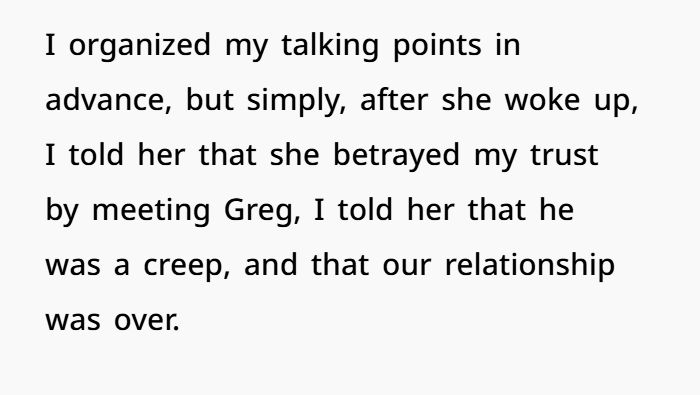
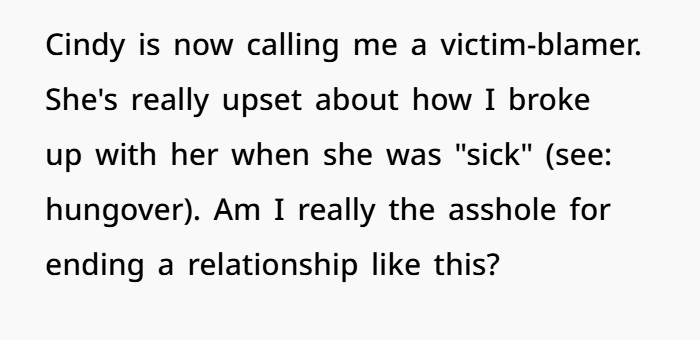
Let’s just say it out loud: the “guy best friend” dynamic in relationships can get messy. It’s not about whether guys and girls can be friends—they absolutely can—but sometimes, one person doesn’t respect the boundaries, and that’s where things get complicated. In this story, Greg crossed the line hard, and OP was left to pick up the pieces of the emotional fallout. So, let’s break it down: the trust issues, the emotional betrayal, the accusations of victim-blaming, and what healthy boundaries really look like in relationships.
When You Feel Something’s Off—You’re Usually Right
One of the biggest lessons here is: trust your gut. OP sensed something was wrong with Greg from the start, but he gave Cindy the benefit of the doubt. He didn’t forbid her from having the friendship with Greg—he was open-minded. He went to dinner, he tried to make it work, and he gave Greg a fair chance. But Greg? He failed miserably.
From being disrespectful and territorial to crossing boundaries in the worst way possible, Greg’s behavior was a red flag OP couldn’t ignore. It wasn’t just the height comparisons or the constant challenges—it was the way Greg interacted with Cindy, making it clear that his “friendship” with her was more than it seemed. And when OP voiced his concerns, Cindy dismissed him, calling him dramatic. That right there was a huge sign that things weren’t right.
In relationships, it’s not about controlling who your partner spends time with, but it is about respecting each other’s feelings and boundaries. OP’s instincts were telling him something was off, and while he tried to give Cindy the benefit of the doubt, Greg’s behavior made it impossible to ignore.
By the time Greg crossed a major line and made a move on Cindy, it wasn’t just about the immediate betrayal—it was the culmination of ignored red flags and broken trust. And when Cindy didn’t fully own up to her part in the situation, the emotional damage was done. OP’s decision to walk away wasn’t an overreaction; it was a necessary step to protect his own well-being and trust in the relationship.
Boundaries Are Not Control — They’re Respect
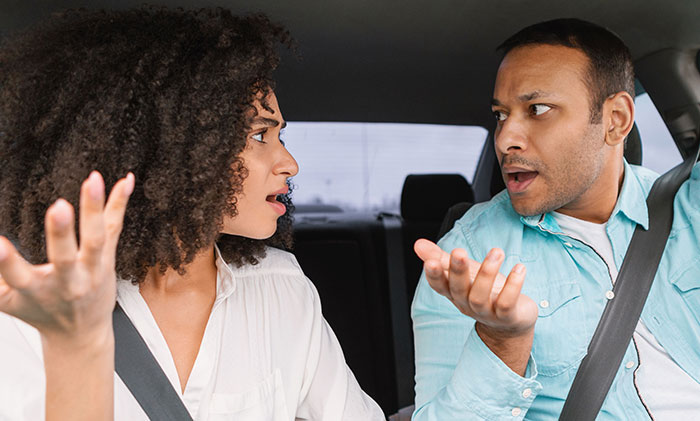
Cindy’s response to OP’s concerns was classic deflection. Instead of acknowledging his feelings, she called him dramatic, made him feel like the problem, and dismissed his discomfort. Here’s the thing: setting relationship boundaries with friends of the opposite sex isn’t controlling. It’s about respect.
In a committed relationship, both partners have a responsibility to create safety and trust for each other. If one person expresses feeling uncomfortable, the worst thing you can do is dismiss it or pretend like they’re overreacting. Cindy did both, and that wasn’t just disrespectful—it was a betrayal.
As relationship therapist Esther Perel says, safety and trust are the foundations of intimacy. Once you disregard your partner’s vulnerability, emotional distance starts to form. And that’s exactly what happened here. Cindy prioritized Greg’s friendship over OP’s comfort, and that choice ultimately cost her the relationship.
“I Told You So” Might Be Harsh—But Sometimes It’s Valid
Let’s talk about the moment Cindy called OP drunk, after Greg tried to kiss her. She was shaken, emotional, and needed support. OP didn’t yell, didn’t berate her, and didn’t say “I told you so” right away. He picked her up, took care of her, and let her sleep it off.
That’s not victim-blaming. That’s simply being a decent person.
When they finally talked, OP laid it out: she went behind his back, lied to him, and now she’s facing the fallout. Was breaking up in that moment harsh? Maybe. But was it justified? Absolutely.
Here’s where emotional accountability comes into play in relationships. You can be a victim of a situation and still be held accountable for the choices that led you there. Cindy didn’t ask for Greg to make a move on her—that’s entirely on him. But she did choose to ignore the red flags, sneak around behind OP’s back, and continue spending time with someone who was clearly hostile to her relationship.
That’s where the real difference lies.
The Victim-Blaming Accusation—Is It Fair?
This is where things get tricky. In a world where victim-blaming is real and harmful, the term itself can sometimes be weaponized. Cindy calling OP a victim-blamer is her attempt to flip the script. She wants to shift the focus from her actions to how OP responded. But here’s the truth:
OP never said the kiss was her fault. He never told her she “deserved it.”
What OP said was: “You lied. You knew this guy had weird energy. You saw how he treated me. And you still chose to go over there, drink with him, and now here we are.”
That’s not blame. That’s simply the truth. And sometimes, truth is what hurts the most.
Trust Is Like a Mirror—Once It Cracks, It’s Never the Same

OP sums it up perfectly in one line: “She betrayed my trust.” That’s the heart of it. In relationships, it’s not just about cheating or lying—it’s about emotional safety. When you can’t trust your partner to have your back, what’s the point?
Relationship experts like Dr. John Gottman talk about the “Four Horsemen” of relationship breakdown: criticism, contempt, defensiveness, and stonewalling. This story has a few of those—especially defensiveness from Cindy and subtle contempt from Greg.
Once OP realized Cindy wasn’t protecting their relationship from external threats, he knew it was over.
Final Thoughts: Not Every Breakup Is Cruel—Some Are Just Necessary
Breakups are hard. But not all of them are messy or mean-spirited. Sometimes, they’re simply the natural consequence of crossed boundaries, broken trust, and too many ignored red flags.
For anyone reading this and thinking, “He should’ve been more gentle,”—maybe. But OP had already been patient. He had already compromised. And when he finally said, “I told you so,” it wasn’t out of spite—it was out of exhaustion. At that point, the emotional toll was too much, and the relationship had already been eroded by broken trust and unmet expectations.
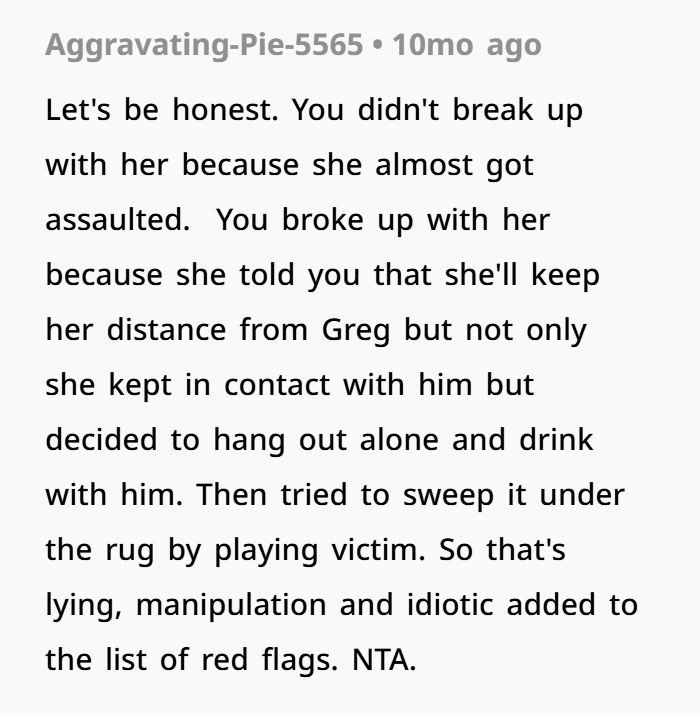
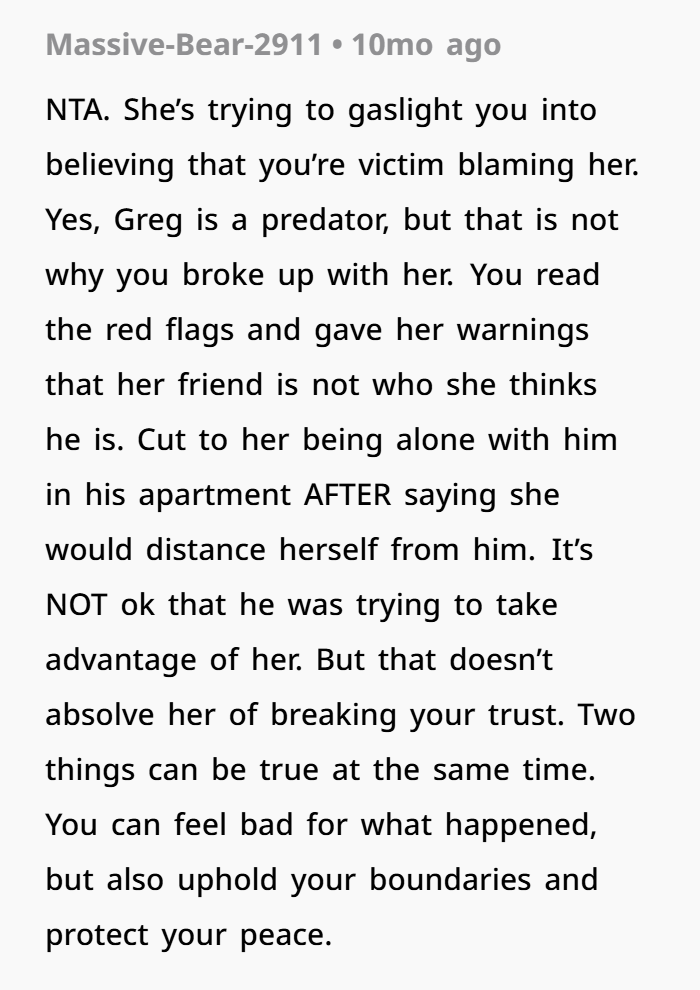
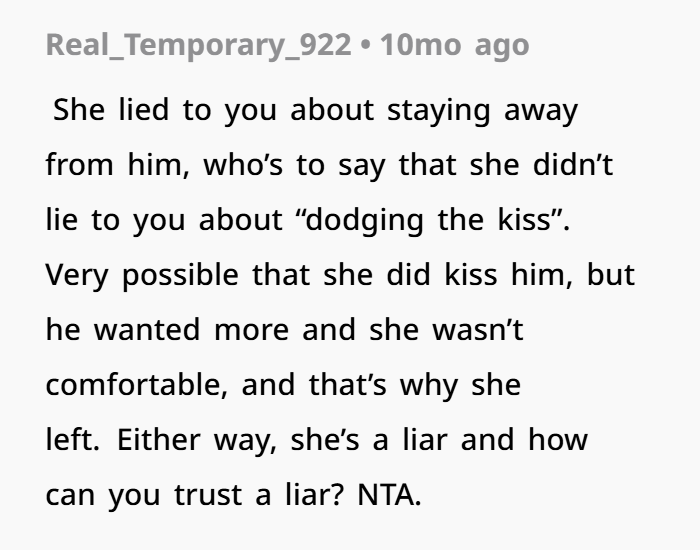
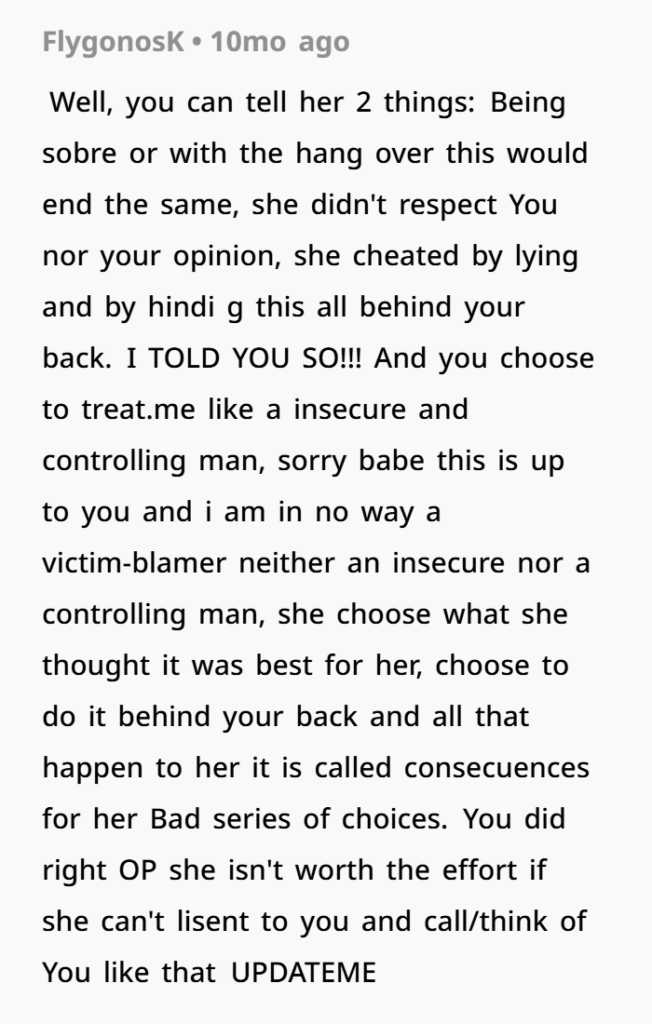
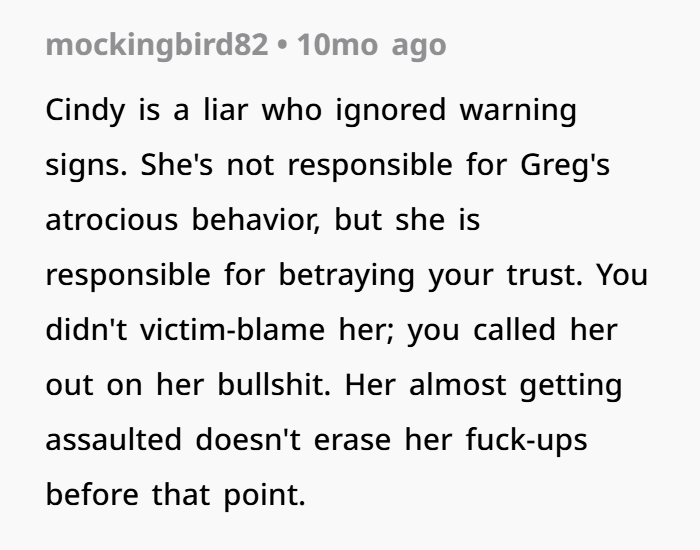
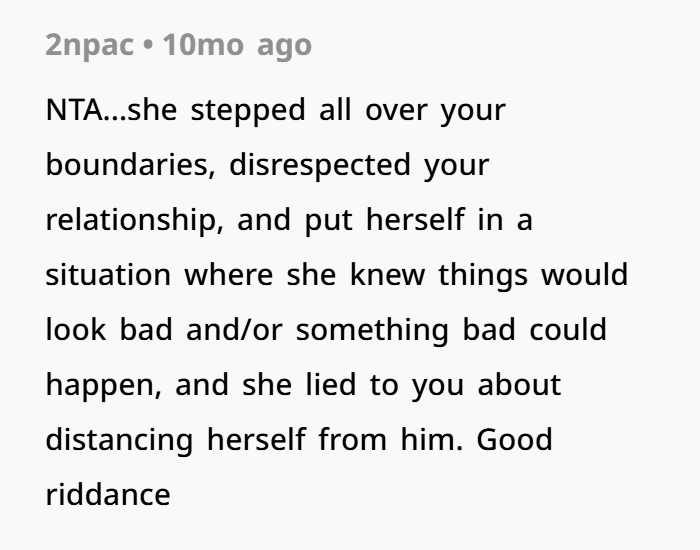
The internet, while sympathetic to her scary night, ultimately agreed he had every right to leave
💬 So… AITAH?
Nah, dude. You’re not the ashole. You set boundaries, communicated openly, and supported her when she needed help. And when everything fell apart, you made the decision that was best for your peace. That’s not heartless—it’s smart.
Sometimes, love ends not with a dramatic moment, but with a red flag that’s finally recognized and believed.