Woman Upset After Boyfriend Gets Her Nothing for Christmas, People Quickly Notice Their Huge Age Gap
You’ve been in a stable relationship with your boyfriend for over a year, living together, sharing daily responsibilities, and showing care for each other—like exchanging gifts last Christmas.
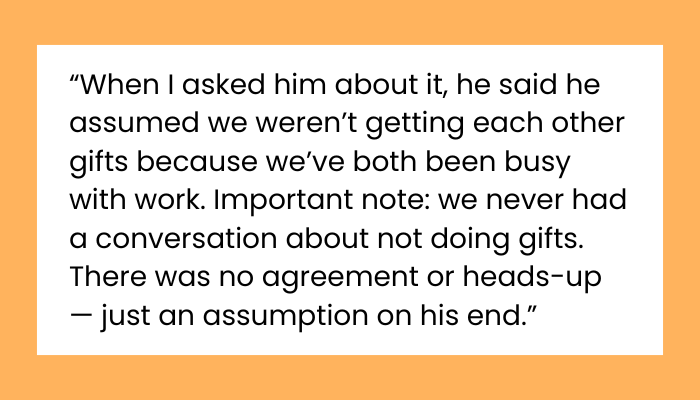
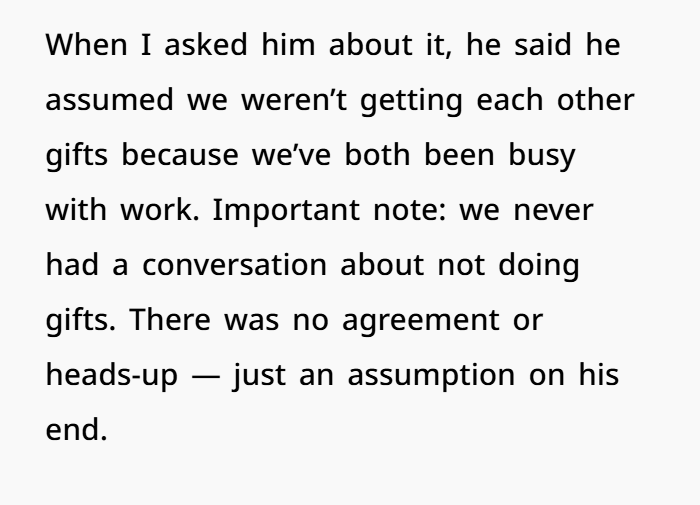
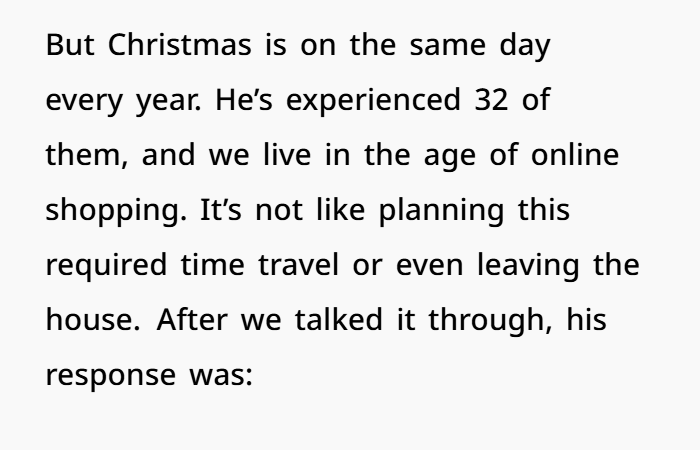
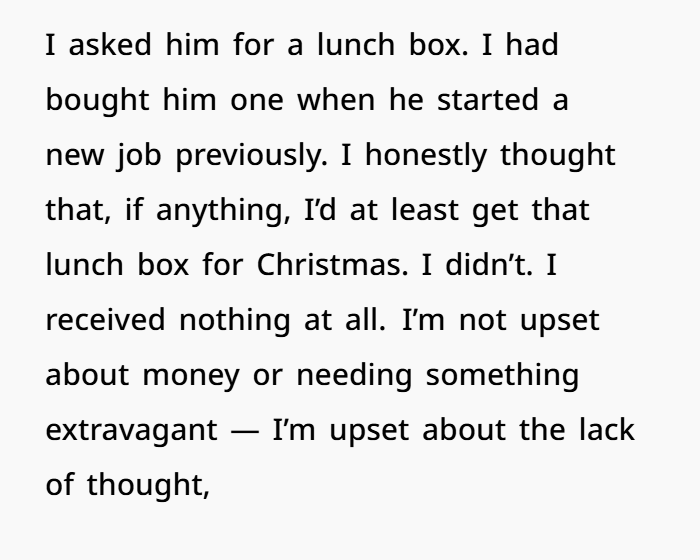
But this year, things were different. You bought him gifts, but he didn’t get you anything. When you brought it up, he said he assumed you weren’t exchanging gifts because work had been busy. No discussion, no plan—just “I didn’t think about it.”
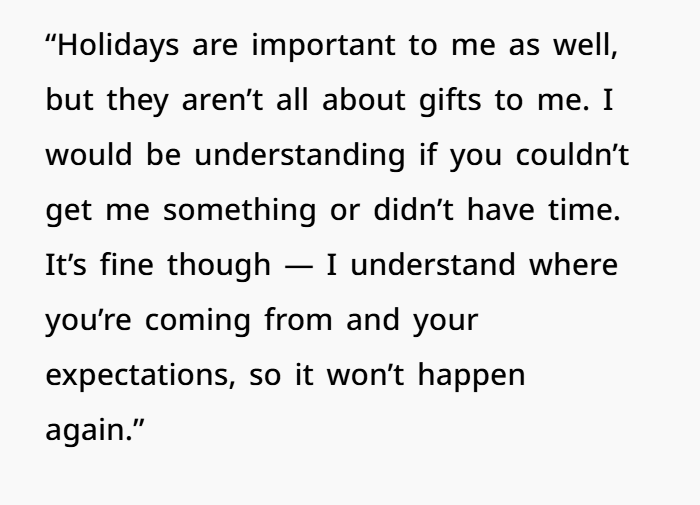
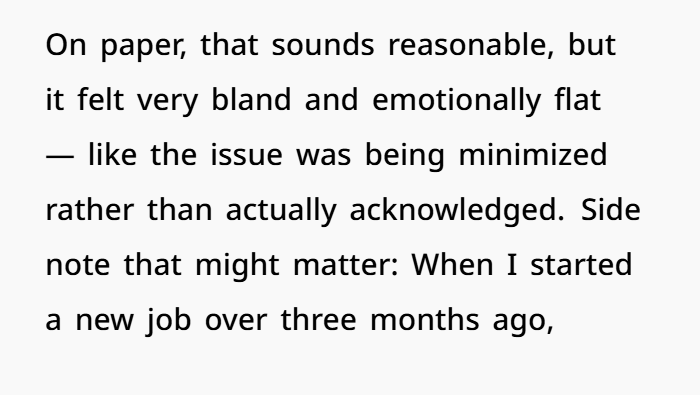
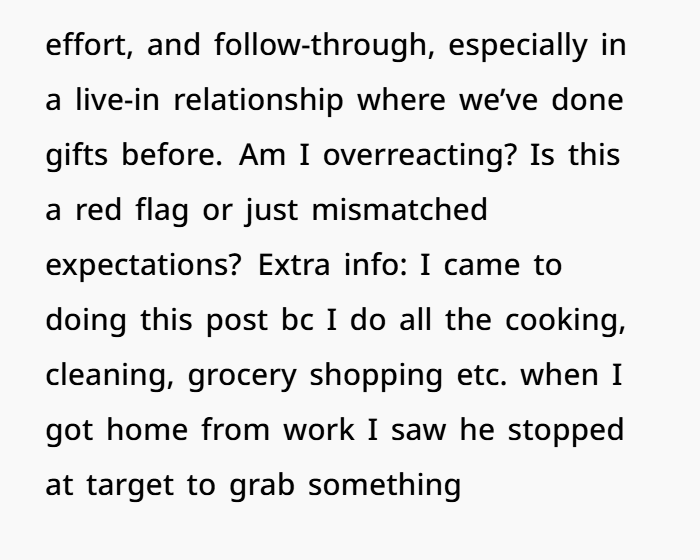
What really hurts isn’t the money or the gift itself, it’s the lack of effort, awareness, and follow-through. You’re already the one doing most of the emotional labor in the relationship—handling things like cooking, cleaning, shopping, and organizing. His response, with a flat “oh, it’s fine, won’t happen again,” felt dismissive and like your feelings were minimized rather than acknowledged.
Then, there’s the lunch box you asked for months ago—a simple thing he could have wrapped for Christmas. But it didn’t cross his mind.
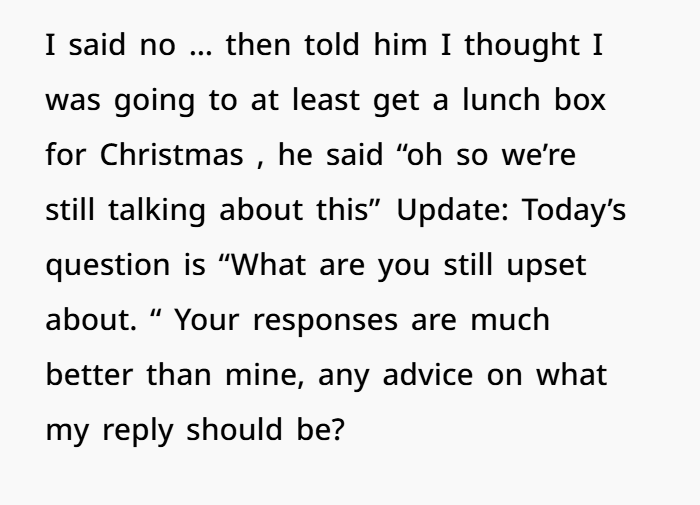
And now he’s asking, “What are you still upset about?”
Let’s break this down: Why you’re hurt, what this says about emotional intelligence and communication, and how to respond honestly, maturely, and constructively.
This woman was excited to celebrate another Christmas with her boyfriend

But when she found out that he didn’t buy her a single present, she began questioning their entire relationship

Let’s be straight: you are not overreacting. What’s going on here is not about a lunch box or a wrapped gift — it’s about emotional neglect, mismatched expectations, and lack of alignment on relationship norms.

This situation touches on some core relationship dynamics like relationship advice, emotional intelligence, communication skills, healthy boundaries, and conflict resolution. While it might seem like a small issue on the surface, the emotional undercurrent is real and valid.
1. Gifts Aren’t the Point — Intentions Are
Giving gifts isn’t just about the item itself; it’s a form of emotional communication. Gifts say:
- I was thinking about you
- I value you
- I made an effort
- You matter in my life
Even something small, like a lunch box, signals: I remembered something you casually mentioned, and I valued it enough to act on it.
When someone doesn’t give anything and doesn’t discuss skipping the exchange, the unspoken message can feel like: You weren’t a priority. This isn’t being dramatic; this is emotional intelligence speaking. It’s about feeling seen and valued in your relationship.
2. Emotional Intelligence and Validation
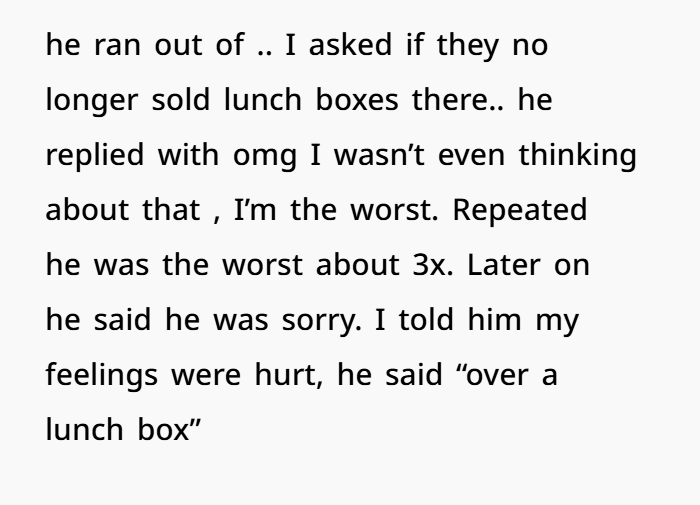
When you expressed that your feelings were hurt, and his response was, “Over a lunch box?”—that’s a clear sign of minimizing your feelings, whether intentionally or not.
Minimizing looks like:
- Turning something emotional into something trivial or petty
- Dismissing your reaction as overblown
- Focusing on the object (the lunch box) instead of the feeling behind it
This is where communication skills and emotional intelligence really matter. In healthy relationships, it’s not just about solving the problem; it’s about validating each other’s feelings. A validation response might sound like: “I understand why you’re hurt. It’s not just about the gift, but about feeling overlooked.” Instead, you got a shrug. That’s a communication breakdown.
3. Expectations vs. Assumptions
This is a classic case of mismatched expectations. One partner assumes they’re on the same page, and the other gets hurt because there wasn’t actually any clear discussion.
In healthy relationships, there’s:
- Clarification
- Agreement
- Regular check-ins
You assumed that gift-giving was part of the relationship rhythm since it’s happened before. He assumed things had changed because life had gotten busy. This is a communication mismatch—not necessarily unforgivable, but definitely a signal that better alignment is needed. Talking about expectations early on can prevent small issues like this from becoming bigger ones.
4. Workload Inequality and Emotional Labor
You mentioned that you do most of the daily work—cooking, cleaning, grocery shopping—and that contributes to the emotional labor in the relationship.
When one partner is shouldering the majority of the practical and emotional work, it’s easy to feel:
- Underappreciated
- Unseen
- Taken for granted
Experts often note that emotional labor, or the invisible work of maintaining a home and relationship, is just as important as financial contributions or symbolic gestures like gifts. If one partner rarely reciprocates in emotional or practical ways, even small things like gifts can start to feel like major omissions. It’s not just about the gift—it’s about the effort and support that’s not being reciprocated in other areas of the relationship.
Conclusion
The issue goes deeper than just one missed gift. It’s about feeling undervalued and unsupported, both emotionally and in everyday responsibilities. The lack of effort in a small gesture like gift-giving can feel like a reflection of larger patterns in the relationship, especially when you’re already shouldering more than your fair share. It’s understandable to feel hurt and frustrated, and you are justified in wanting more awareness, effort, and accountability from your partner in these areas.
This is a moment for honest, constructive conversation about how you can both better align your expectations and communicate more effectively. It’s about ensuring that both partners feel seen, respected, and equally invested in maintaining a healthy, balanced relationship.

That’s not “too sensitive.” That’s real human needs.
5. Why You’re Still Hurt: It’s Not About the Lunch Box
When he asks, “What are you still upset about?” answering with just the lunch box misses the point entirely. You’re not upset about the item itself—you’re upset about feeling unseen, feeling emotionally minimized, and the lack of effort that makes you feel taken for granted. It’s about the lack of communication regarding expectations and the disconnect in how you both value relationship rituals, like giving gifts.
These feelings are real, valid, and they matter. They go beyond the specific incident and touch on deeper issues of how you both communicate, appreciate each other, and ensure each other’s emotional needs are met. This is exactly where relationship advice often talks about attachment, reciprocity, and effort consistency.
6. Responding in a Constructive Way
Right now, his question, “What are you still upset about?” shows he might not fully understand the depth of your feelings yet. An effective response isn’t combative; it’s clear, honest, and focused on setting boundaries while offering a path forward. It should be solution-focused.
Try something like:
“I’m not upset about the lunch box or the gift itself. I’m upset because I felt unconsidered and like my feelings weren’t fully acknowledged. Christmas was important to me, and it hurt that you made no effort to show you were thinking about it. I want us to communicate expectations better so we’re not in this situation again.”
This accomplishes several things:
- It separates feelings from objects—it’s not about the gift itself, it’s about the emotional impact.
- It avoids making him defensive by focusing on how you felt rather than accusing him directly.
- It introduces communication and expectations in a calm, constructive way.
- It opens the door to joint problem-solving, not blaming, which is key to healthy communication and conflict resolution.
This approach lays the groundwork for a solution-oriented conversation where both partners are willing to listen, understand, and take responsibility for improving things going forward.
7. Is This a Red Flag? Or a Learning Moment?
Let’s be practical: one missed Christmas gift doesn’t automatically mean your partner is a bad person or that the relationship is doomed. However, it could be a red flag if:
- He consistently dismisses your feelings.
- He rarely reciprocates effort in the relationship.
- He minimizes emotional concerns and doesn’t take your needs seriously.
- He refuses to engage in meaningful communication about issues that matter to you.
However, if this is a one-off incident and he’s genuinely willing to learn and grow from this experience, then it could simply be a growth moment, not a breakup sign. Every relationship has bumps, and how you both handle them can either strengthen or weaken your bond.
Ask yourself:
- Does he normally show care in other ways?
- When you communicate deeper feelings, does he try to understand and respond with empathy?
- Is he willing to change patterns and engage in the growth of the relationship?
If the answer is yes, then this could be a turning point, a moment of growth for both of you. If the answer is no, then it may be time to reconsider the effort and dynamics in the relationship.

Those determine whether it’s a relationship mismatch or mismatched expectations.
8. Moving Forward: Practical Tips
To avoid this in the future:
✔️ Set Expectations Clearly
Don’t assume. Say:
“Hey — are we doing gifts this year? What feels right for us?”
✔️ Talk About Love Languages
Not everyone shows love the same way. Some do:
- Gifts
- Quality time
- Acts of service
- Words of affirmation
- Physical touch
Understanding each other’s love languages changes everything.
✔️ Recognize Emotional Labor
You are running the household. Make sure the work is balanced — and acknowledged.
✔️ Practice Emotional Validation
If he can say:
“I see why you’re hurt. Thanks for telling me.”
That’s progress.
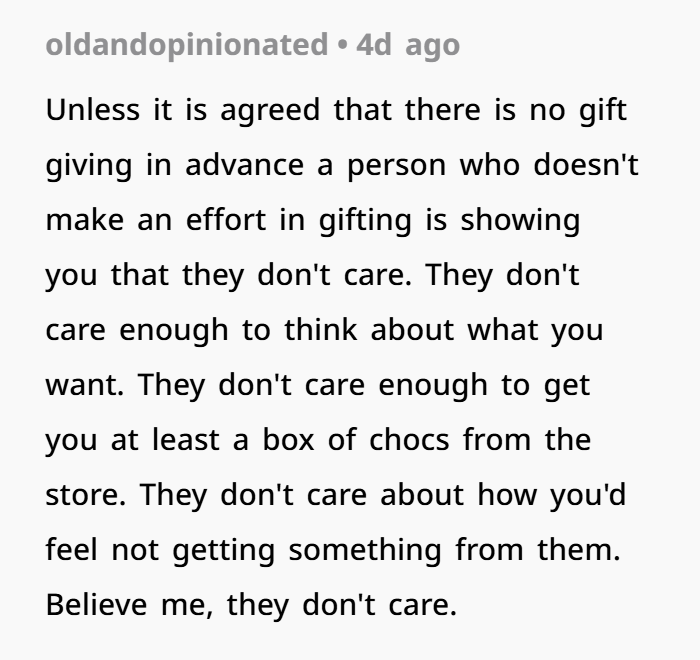
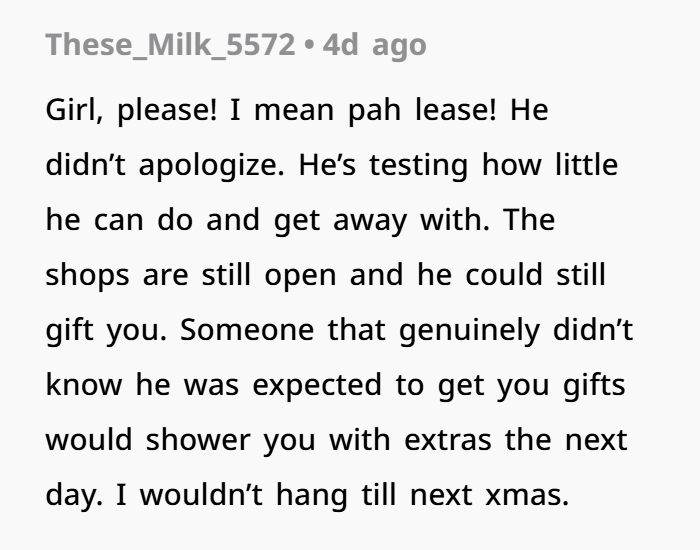
Later, the author responded to several readers and provided more details about her situation
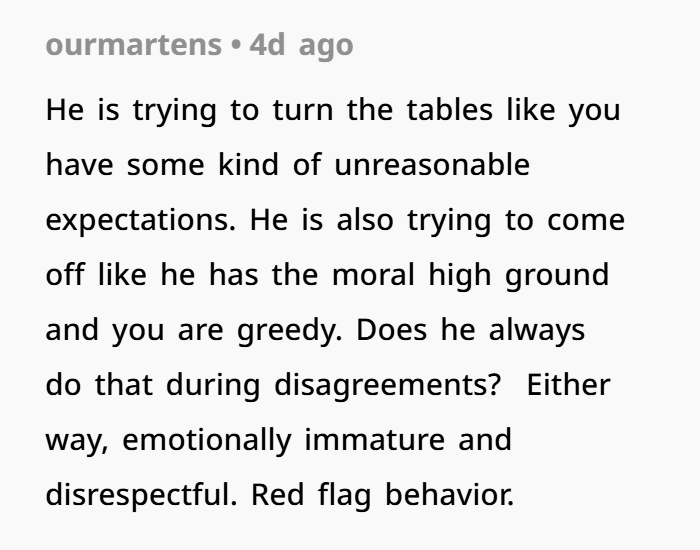
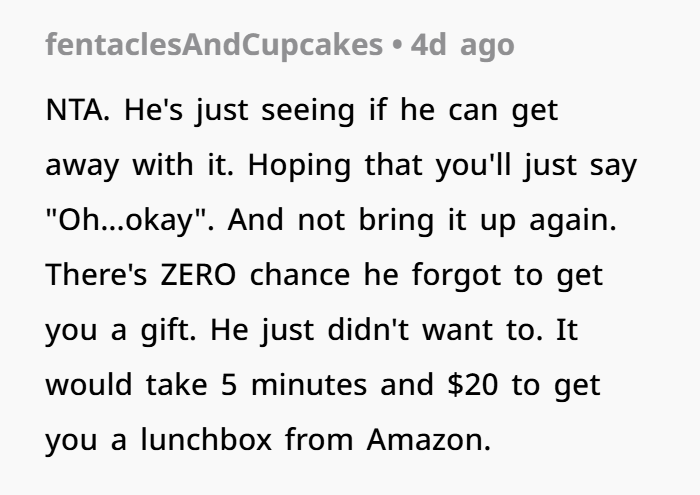
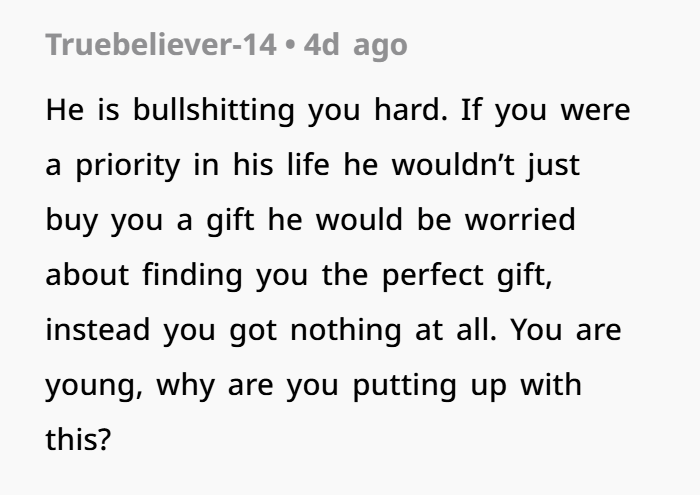
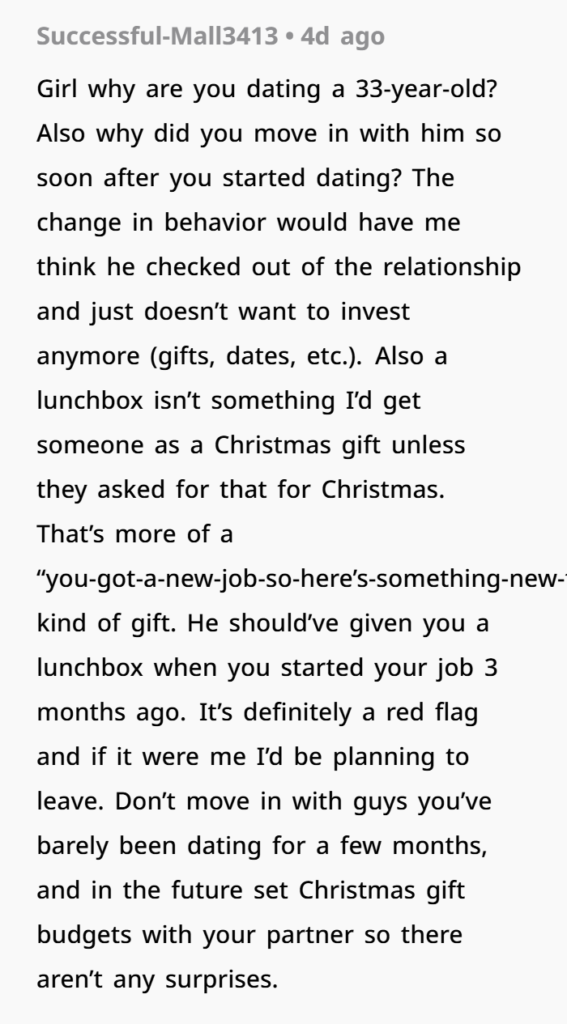

You are not dramatic. You are not upset “over a lunch box.” What you’re reacting to is emotional neglect and poor communication, which are real issues that deserve attention. Relationship therapists would tell you that these kinds of concerns need to be addressed early—not ignored. If these things aren’t talked about, they fester and build resentment.
Your response in moments like these can either:
- Defuse the situation with clarity, opening up space for understanding and growth
- Let it simmer into resentment, which is toxic for any relationship
And trust me—resentment builds faster than love grows. When you let small things go unresolved, they compound into bigger issues down the line, making it harder to rebuild trust and intimacy.
So, when you answer his question, do it with honesty, depth, and intentional vulnerability. It’s not about blaming him, but about expressing your feelings in a way that invites understanding.
Instead of deflecting, allow yourself to be real about how you feel. Talk about how the lack of effort made you feel unseen and how you long for better communication and respect for each other’s expectations. This kind of vulnerability doesn’t just open up the conversation—it strengthens the relationship, making it healthier and more resilient.
That’s how you build a relationship that actually works—by addressing the tough stuff, communicating openly, and choosing to grow together, not apart..